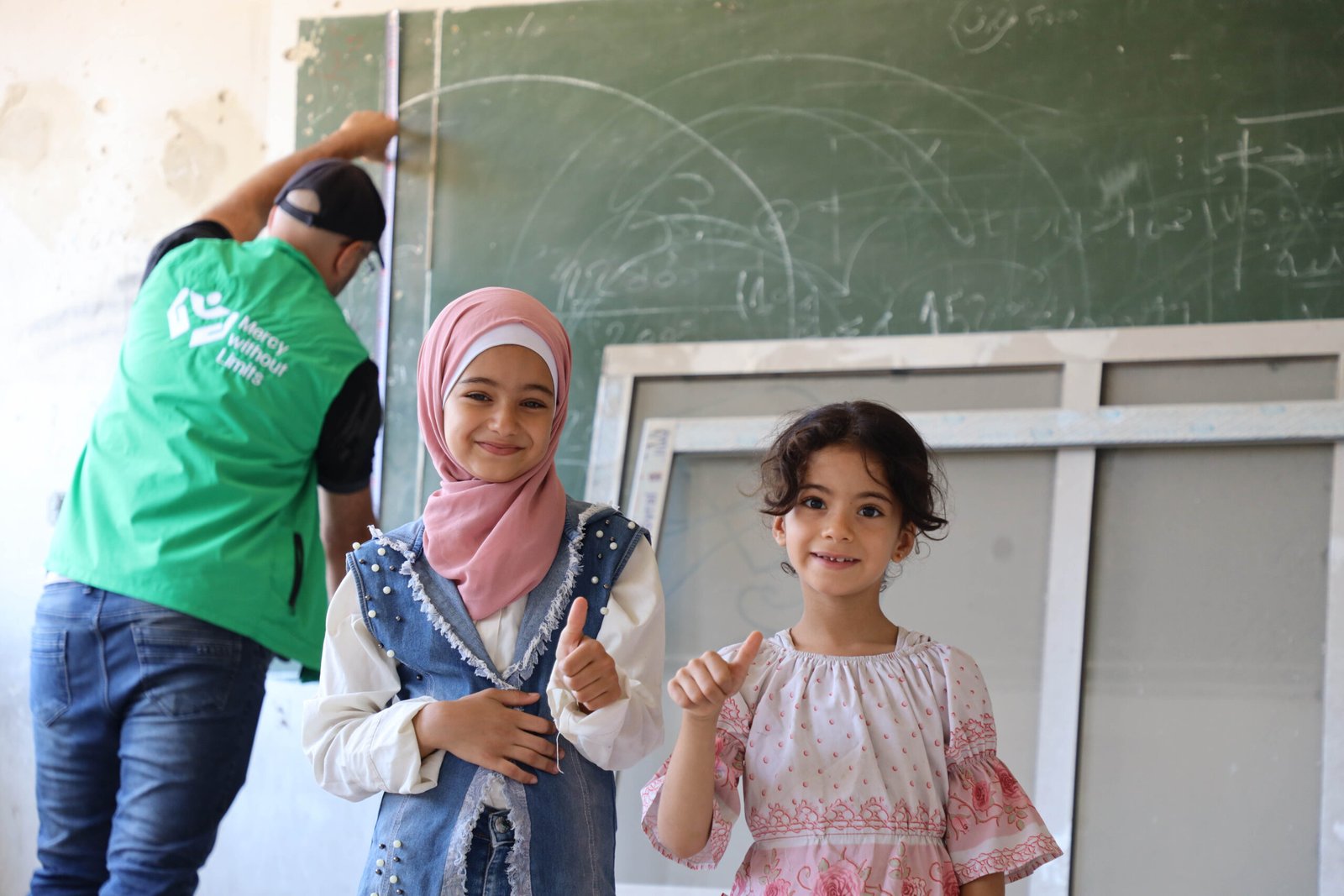
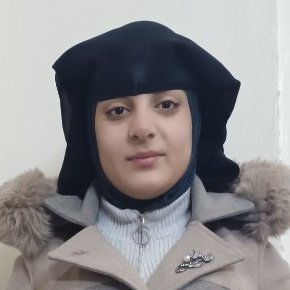
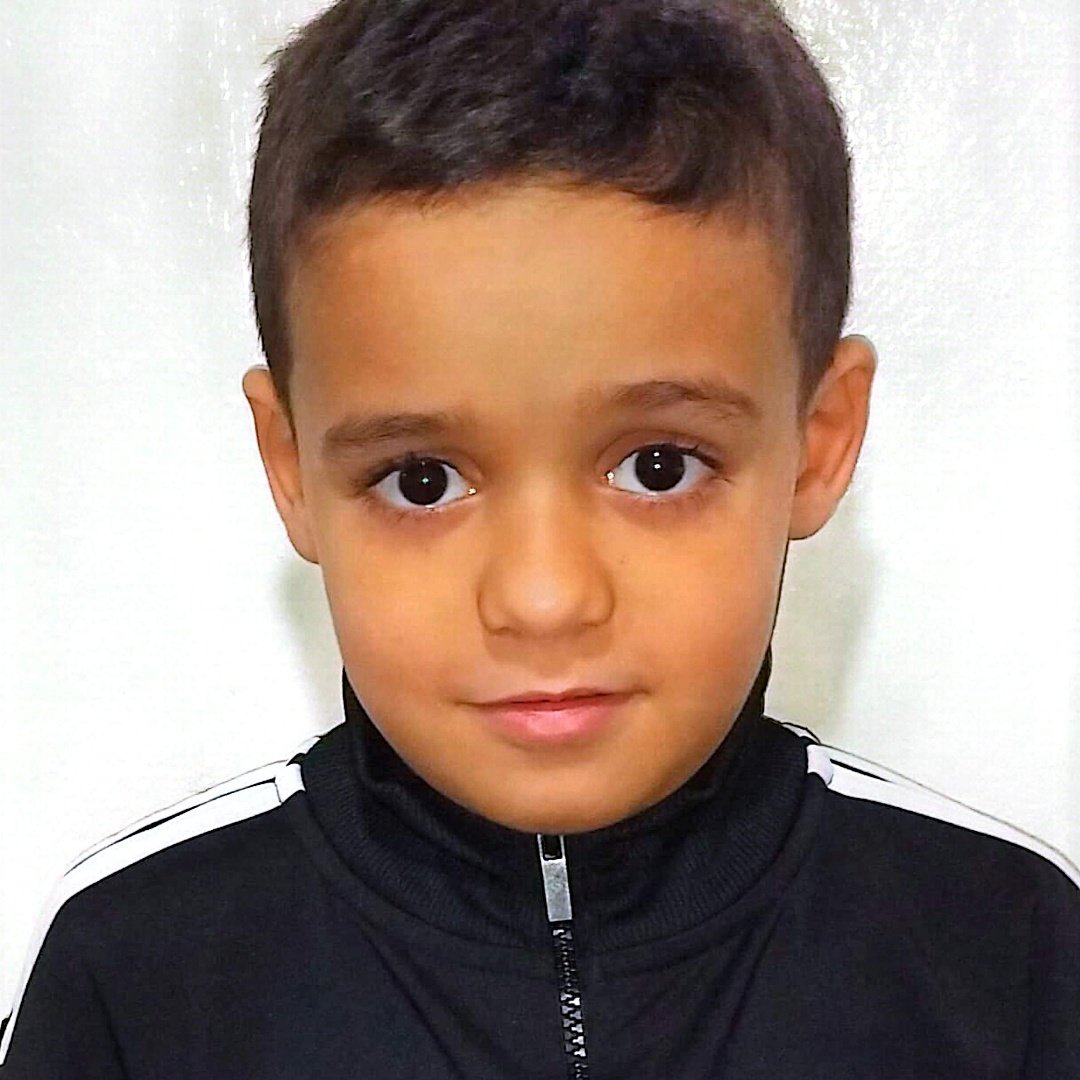
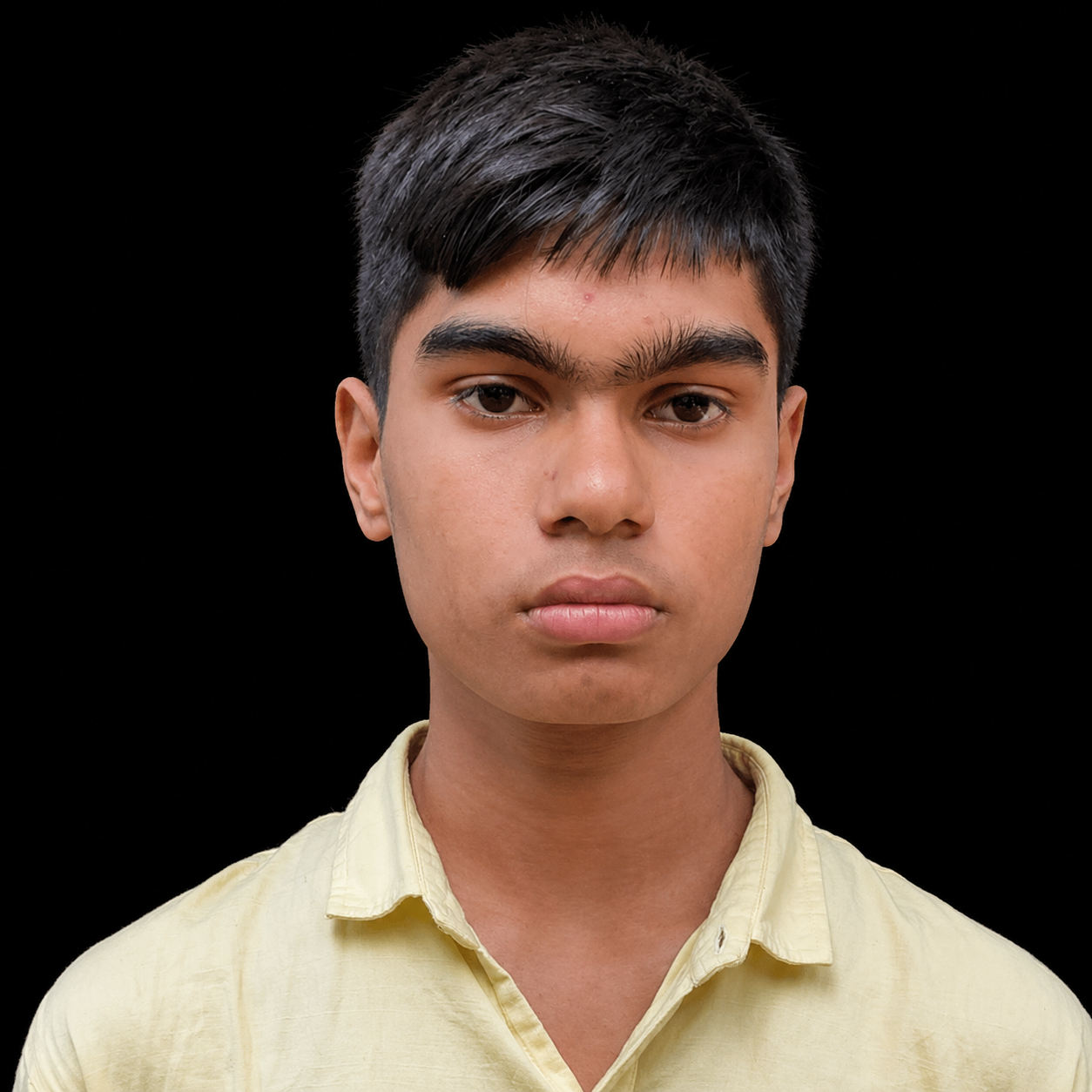
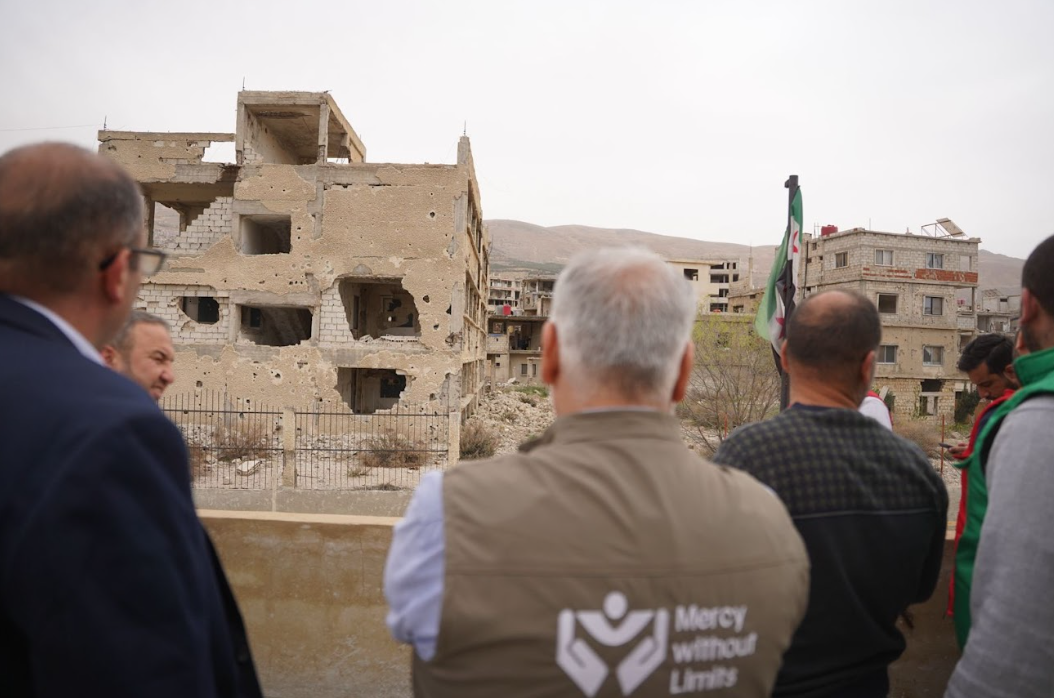
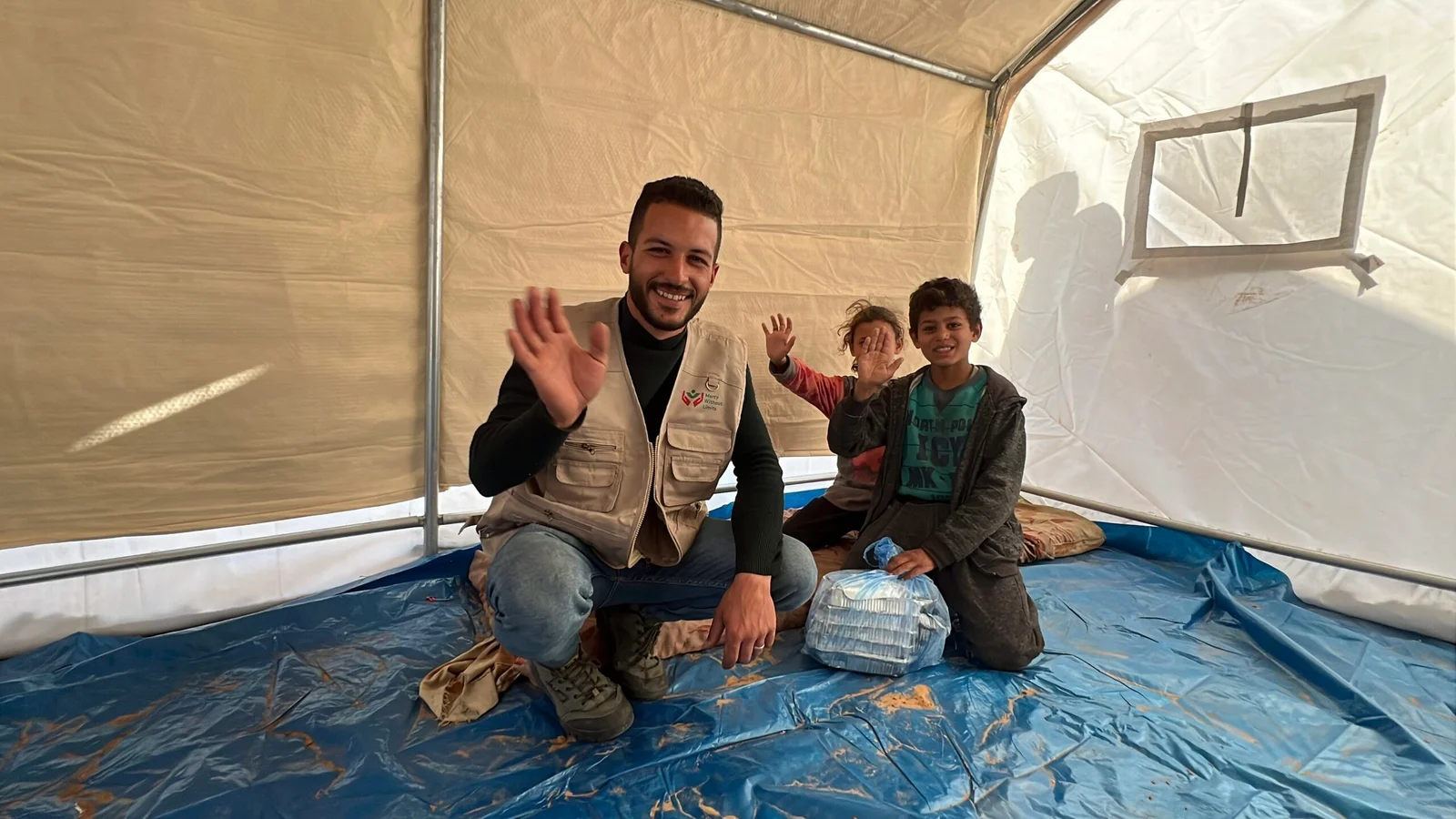
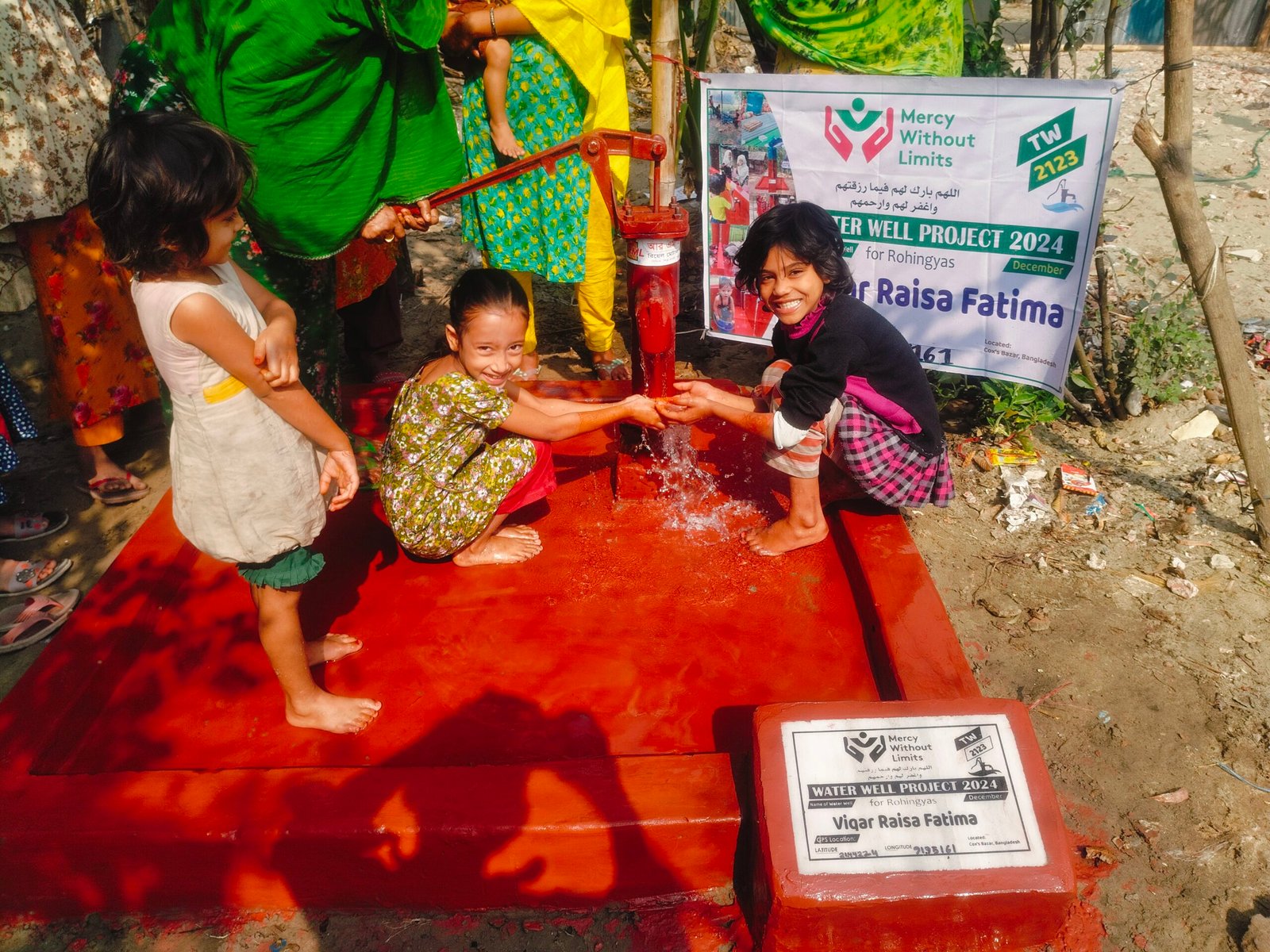
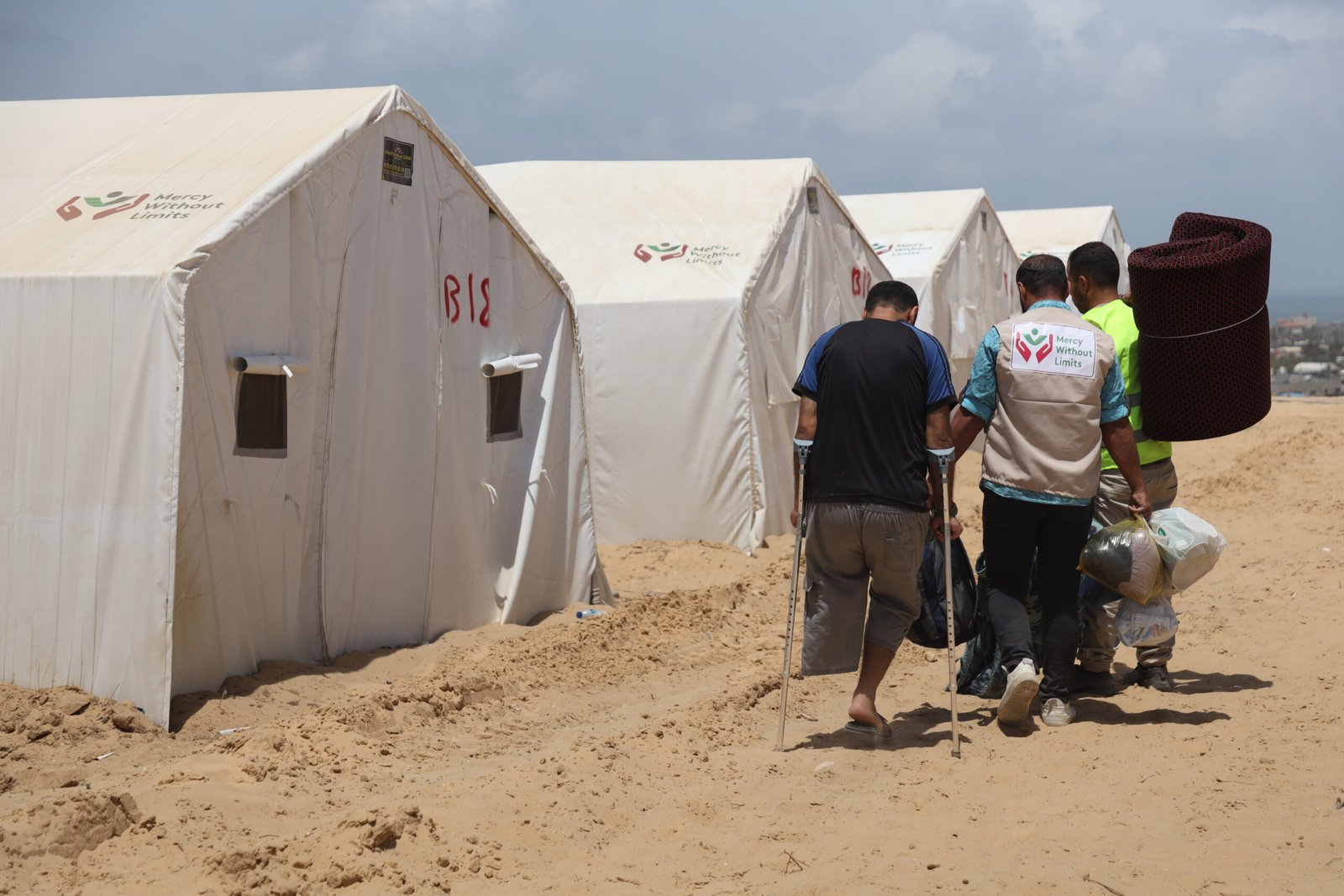
The Orphan Fund is a collective lifeline for children in crisis. Unlike a monthly sponsorship tied to one child, your one-time donation to this fund provides our teams with the urgent, flexible resources needed to support orphans where the need is greatest. Your gift is pooled with others to deliver critical aid—whether it’s emergency medical care, a new roof for a dormitory, warm winter clothing for dozens of children, or essential supplies for a whole orphanage.
This fund allows us to act swiftly and adapt to the most pressing needs, ensuring no child in our care is left without support. It’s the power of many, coming together to create immediate, tangible change for vulnerable children.
Make a powerful, one-time difference today. Donate to the Orphan Fund.
Inspired to provide sustained, life-changing support for a specific child?
Learn about our monthly Orphan Sponsorship program » Sponsor a Child
We provide monthly cash assistance to caregivers to help them meet basic needs like food, clothing, shelter, health, and educational materials for the children. Depending on the situation and logistics, these funds are distributed every 2-3 months to ensure timely support.
We conduct comprehensive annual health checks for the children, which include physical exams, screenings for common illnesses, growth and nutritional assessments. If any medical needs arise, we follow up with the necessary care and treatment to make sure the children remain healthy and supported.
We plan a variety of fun and engaging activities, including outdoor excursions, sports, arts and crafts, and indoor games, to provide relaxation and opportunities for social bonding for both the children and their caregivers.
Our life skills workshops and psycho social support activities are designed to help children and their caregivers learn valuable knowledge, cope with trauma, and build resilience, fostering their emotional and psychological well-being.
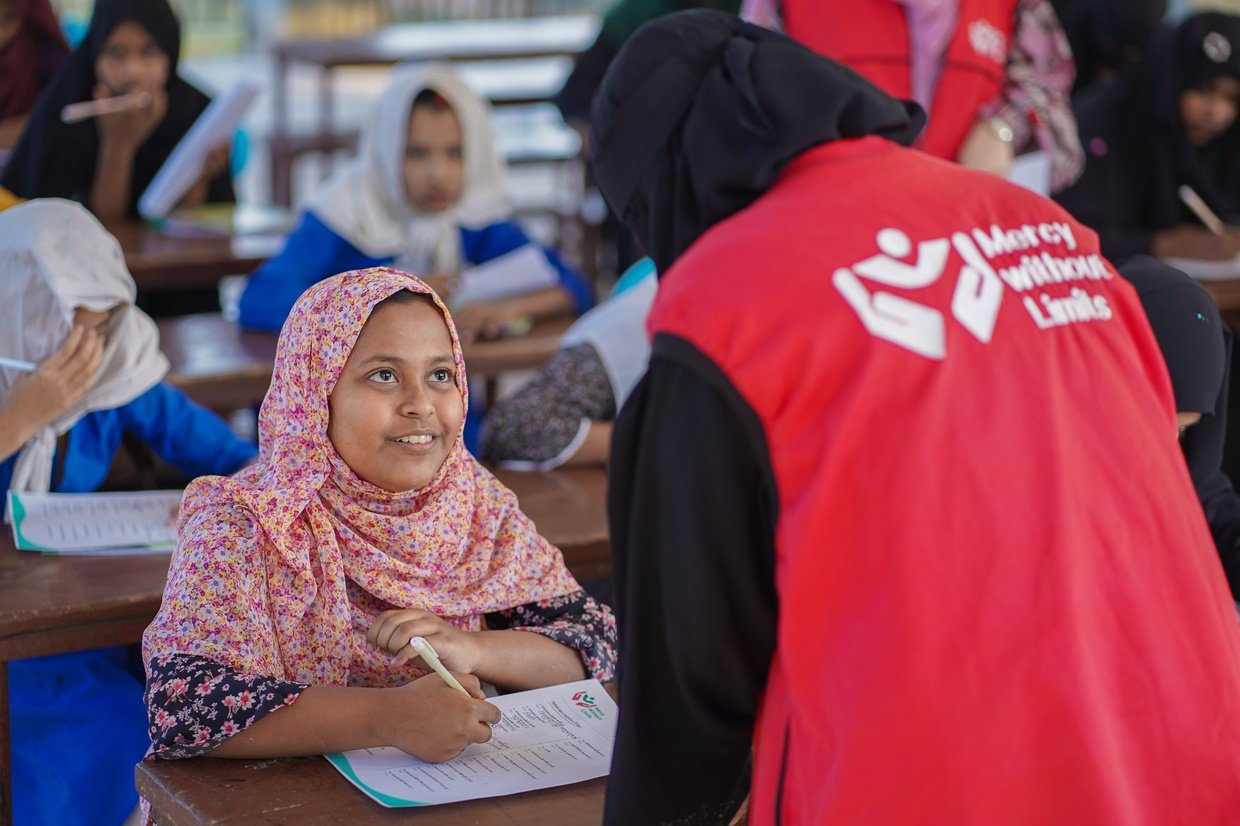
Our community centers are safe and welcoming spaces where orphans and caregivers can join various activities, including tutoring opportunities, workshops, and support services. At these centers we promote learning, engagement, and a sense of belonging within the community.
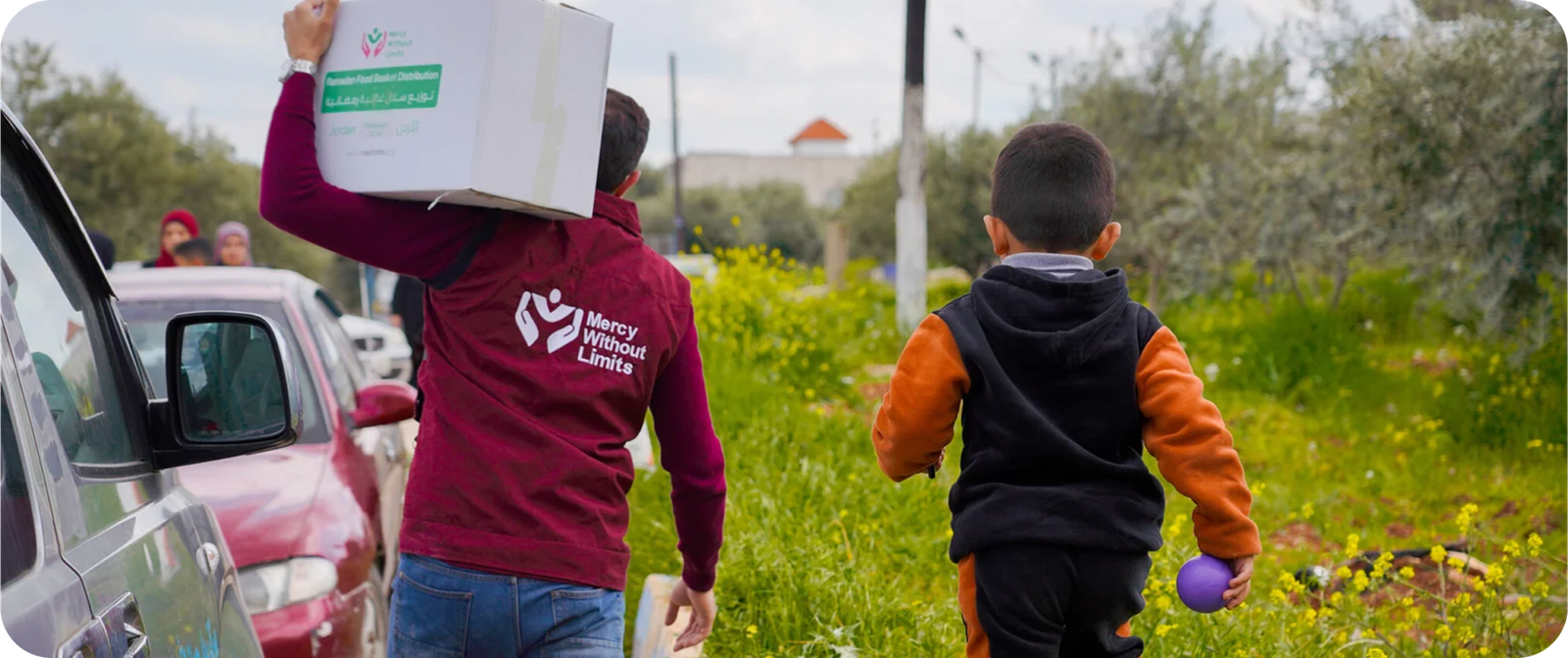
We carefully prepare food baskets filled with essential items like rice, flour, sugar, cooking oil, dates, lentils, and more, to help families during Ramadan and beyond. Depending on availability, we may also include extra nutritious items like powdered milk and canned goods. These baskets are given out at the start of Ramadan to ease the financial burden on caregivers and typically sustain a family of 5 for a month.
Our iftars blend traditional meals with activities that bring joy and foster a sense of belonging, supporting both cultural connections and emotional well-being for children and their caregivers.
We provide new clothes to orphaned children so they can celebrate Eid Al Fitr with joy and pride. These clothing packages include culturally appropriate outfits designed for the festive occasion. This initiative helps create a sense of belonging and excitement, while also easing the financial burden on caregivers.
We work with local partners to distribute Qurbani meat to orphans and their caregivers, ensuring a quality and joyful celebration for everyone involved. We ensure the sacrifices are performed within the correct time frame in each region.
We host carnival days filled with fun activities for children, caregivers, and the community in various countries, with the goal to establish positive memories and strengthen social bonds. These carnivals include giant inflatable slides, bouncing castles, face paint, performances by local musicians, and meals and snacks for orphans.
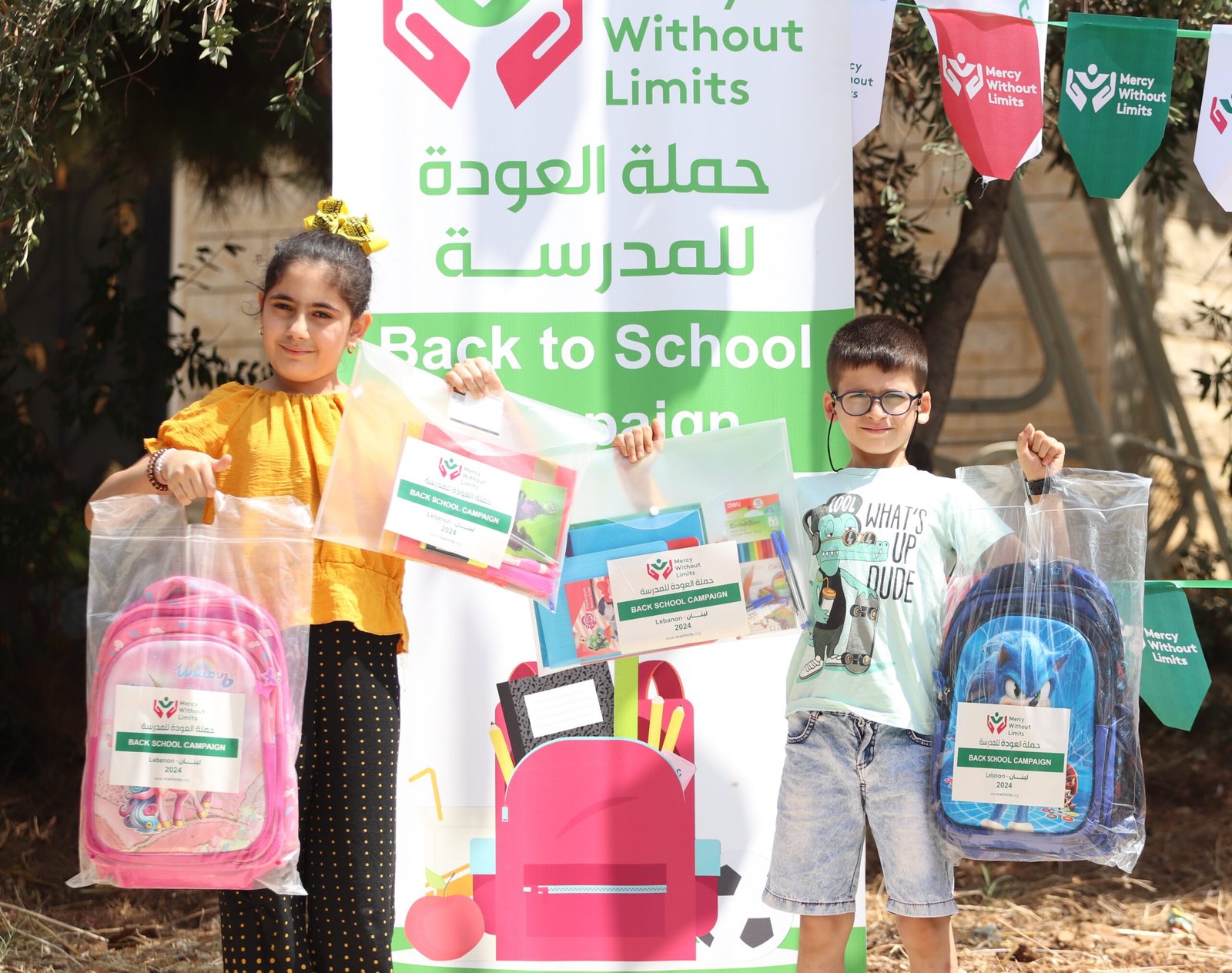
We supply children with school uniforms, stationery, water bottles, backpacks, and educational materials at the start of each school year, helping them feel prepared and motivated for their studies. We also provide teacher bags that include whiteboard markers, binders, and additional stationery to support their efforts to educate children in underserved communities.
We provide warm clothing, including coats and accessories, to ensure children stay cozy and healthy during the cold months.
We organize skill-building workshops at our community centers, covering topics like sewing, handcrafts, computer skills, and basic literacy and numeracy, helping caregivers gain new skills to foster long term financial independence.
This Zakat policy sets out how Mercy Without Limits seeks to fulfil the Shariah requirements of receiving and administering Zakat payments on behalf of Muslims.
This document is intended to be the Policy Document to provide a framework for future Zakat distribution.
INTRODUCTION TO ZAKAT
Zakat is the third of five core pillars of Islam and by Qur’anic ranking, is next after Prayer in importance. It has been interlinked with Prayer 28 times in the Qur’an. The distribution of Zakat and its use has been outlined in the Qur’an, demonstrated in the prophetic traditions and explained further by the Islamic scholars of the past and present.
The following verse outlines the recipients:
“Sadaqah (Zakat) is for the poor and for the needy and for those employed to collect [Zakaat] and for bringing hearts together [for Islam] and for freeing captives [or slaves] and for those in debt and for the cause of Allah and for the [stranded] traveller – an obligation [imposed] by Allah. And Allah is Knowing and Wise.” (Quran 9:60)
The above verse singles out eight types of people deemed eligible to receive Zakat. They have been identified as:
• Al-Fuqara’ (The poor)
• Al-Masakin (The needy)
• Al-Amilina Alayha (Administrators of Zakat)
• Al-Mu’allafah Qulubuhum (Reconciliation of Hearts)
• Fir-Riqab (those in Bondage)
• Al-Gharimin (Those in Debt)
• Fī-Sabilillah (In the Cause of Allah)
• Ibn al-Sabil (The Wayfarer)
USE OF ZAKAT PAYMENTS
Zakat payments made to Mercy Without Limits are allocated to a segregated general Zakat fund held by Mercy Without Limits. The Zakat funds are used to support Zakat-eligible projects in the Muslim-majority countries in which we operate.
A maximum of 12.5% of Zakat payments is allocated towards the administrative and support costs of Mercy Without Limits.
ADMINISTRATION OF ZAKAT PAYMENTS
Mercy Without Limits will administer payments of Zakat as follows:
• Zakat payments by givers who select the Zakat option on Mercy Without Limits. payment platforms are marked and identified.
• Zakat payments are paid into dedicated, interest free bank accounts, where the funds will be held until being sent to the relevant countries for implementation of Zakat-eligible projects.
• Zakat payments are utilized within one lunar year in accordance with Shariah rules.
• Where we can uplift the amount given through recognized schemes such (Matching fund) we will treat any uplift as an unrestricted donation which may be used to support our Zakat-compliant project work, without any deduction from the amount of any Zakat given to Mercy Without Limits.
COMPLIANCE
Mercy Without Limits uses the following procedures to ensure that we comply with this Zakat policy:
Qualitative screening criteria:
All applicants must fulfil the following criteria:
1. The applicant must be Muslim
2. The reason for applying to Mercy Without Limits must be Shariah compliant.
3. The beneficiary must be an individual in need and not just a service. Zakat cannot be used to fund services to people directly unless the beneficiary consents to using their Zakat payment to fund a service.
4. The applicant cannot be an immediate family member of any Zakat payer through Mercy Without Limits.
5. Mercy Without Limits trains and supports its staff on the practical application of the principles of Zakat to ensure compliance with all the Shariah requirements.
6. Specially trained staff at Mercy Without Limits work on project delivery and its effect on recipient communities in-country.
7. Our policies and procedures will be subject to an independent annual review by board to ensure that the Zakat fund is operated in accordance with the principles of Shariah.
REPORTING
Transparency in respect of our compliance with Zakat principles is of foremost importance to Mercy Without Limits. Our reporting process in relation to Zakat will focus on several key areas:
1. We will demonstrate how our program activities have been selected and remain in line with beneficiary and activity guidelines for Zakat compliance.
2. We will account for and report on compliance with our policy to restrict administrative costs to a maximum of 12.5% of any Zakat given through our annual reporting process.
3. We will provide further comprehensive evaluation including the provision of visual reporting to the extent possible.