Taking care of communities struggling with poverty is our main goal; and the importance of providing them with healthcare aid cannot be overstated. As of 2023, our humanitarian efforts have allocated and distributed over 1.4 million dollars’ worth of aid towards healthcare programs.
Over the years, MWL has supported multiple health and wellness projects around the world. With the help of our generous donors, we’ve established five dental clinics in Northern Syria, we’ve supported health facilities in Eastern Ghouta, we’ve funded salaries for staff at Ain Albaeda hospital, we supplied Al-Ikhaa hospital in Idlib with equipment and medicine, we distributed oxygen kits in hospitals in Jordan during the Covid-19 pandemic, and we helped establish the Yemen Academic Hospital; among many other projects.
Following the deadly earthquakes in February 2023, our team supplied 100,000 liters of fuel to hospitals in Northern Syria and secured 20 million dollars’ worth of medicine and medical equipment for healthcare facilities in the region.
As part of our flagship program, our orphan sponsorships ensure orphans receive consistent healthcare, including two check-ups per year. We’ve been able to support thousands of children in need with medical care; and work to continuously spread our reach and provide these services to even more orphans around the world.


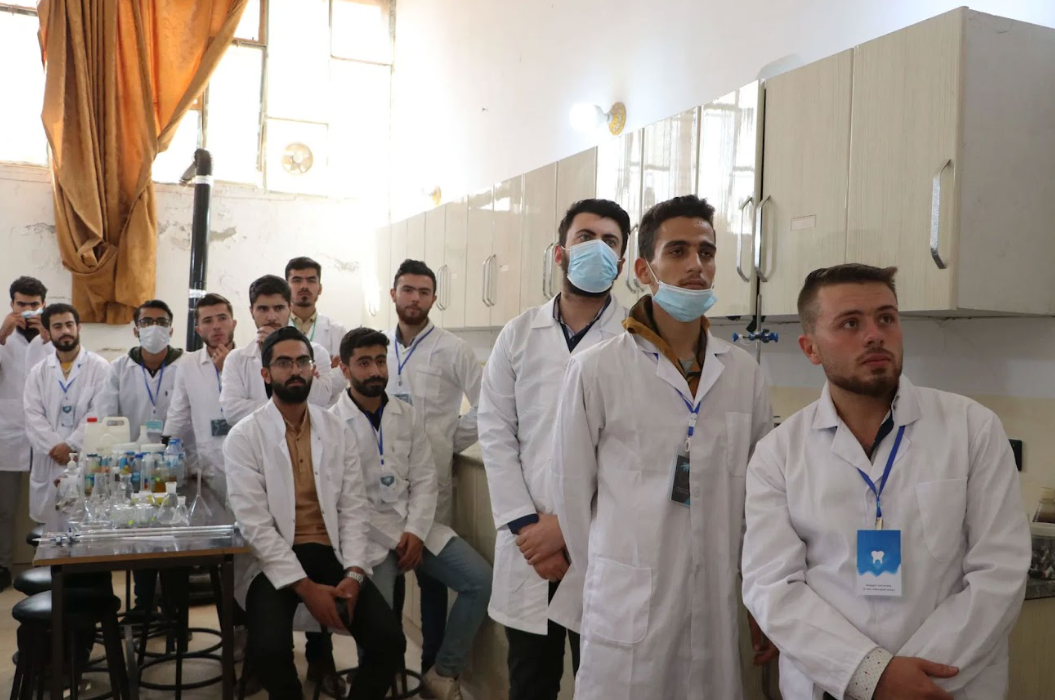

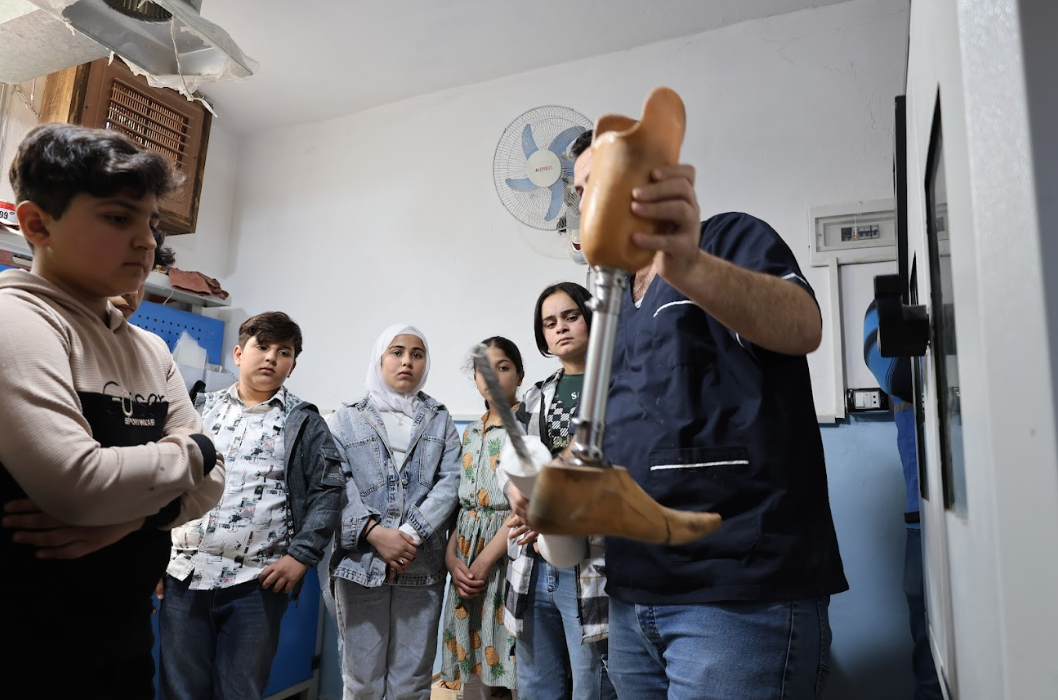
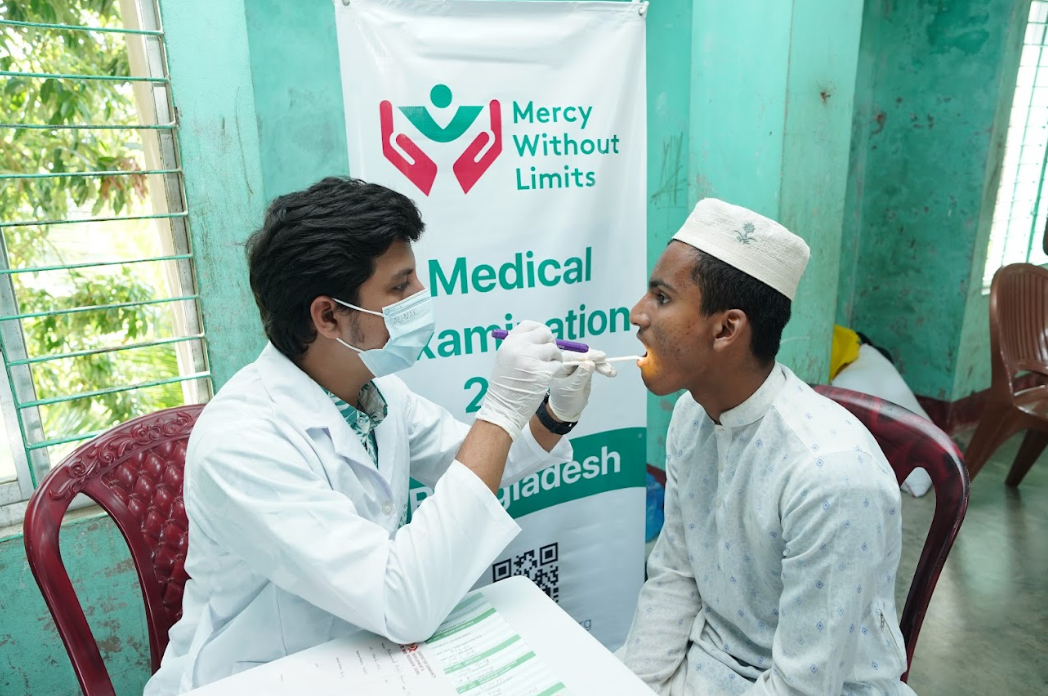
MWL’s healthcare program focuses on essential and emergency medical support by strengthening existing hospitals and clinics in crisis-affected areas. This includes supplying medical equipment, medicines, dental and general healthcare services, and supporting healthcare staff where access to care would otherwise be limited. MWL’s healthcare support is designed to address urgent medical needs and maintain basic healthcare access for vulnerable communities, including orphaned children through regular medical checkups.
Examples MWL lists include establishing five dental clinics in Northern Syria, supporting health facilities in Eastern Ghouta, funding hospital staff salaries, supplying hospitals with equipment and medicine, distributing oxygen kits to hospitals in Jordan during the Covid 19 pandemic, and helping establish the Yemen Academic Hospital. We also have our orphan sponsorship that includes consistent healthcare with two check ups per year. We distribute vaccines to orphans, and help widows with maternal care.
MWL describes an on the ground model that works through supporting and supplying existing healthcare facilities and hospitals with salaries, equipment, medicine, oxygen kits, and fuel in crisis moments.
Examples of this include the February 2023 Syria earthquakes, we supplied fuel to hospitals in Northern Syria and helped secure large scale medicine and medical equipment for healthcare facilities in the region.
Healthcare is central to our mission because health is foundational to dignity, recovery, and stability. Without access to medical care, families cannot rebuild, children cannot attend school, and communities cannot recover from crisis. We prioritize healthcare alongside food, water, shelter, and education to ensure that humanitarian support addresses both immediate survival needs and long-term human development.
Yes, MWL offers program-based and crisis-specific giving, allowing donors to support healthcare efforts in particular countries or emergency responses, such as Syria, Gaza, or other crisis-affected regions. Donors can direct their support by selecting the relevant healthcare program or donating through a specific country or emergency appeal.
If you want your giving tied to a specific crisis, the best way is to donate through that crisis appeal page or select the relevant program and appeal on MWL’s donation flow.
Children suffer from being stunted, according to UNICEF.
MAHATMA GANDHI
This Zakat policy sets out how Mercy Without Limits seeks to fulfil the Shariah requirements of receiving and administering Zakat payments on behalf of Muslims.
This document is intended to be the Policy Document to provide a framework for future Zakat distribution.
INTRODUCTION TO ZAKAT
Zakat is the third of five core pillars of Islam and by Qur’anic ranking, is next after Prayer in importance. It has been interlinked with Prayer 28 times in the Qur’an. The distribution of Zakat and its use has been outlined in the Qur’an, demonstrated in the prophetic traditions and explained further by the Islamic scholars of the past and present.
The following verse outlines the recipients:
“Sadaqah (Zakat) is for the poor and for the needy and for those employed to collect [Zakaat] and for bringing hearts together [for Islam] and for freeing captives [or slaves] and for those in debt and for the cause of Allah and for the [stranded] traveller – an obligation [imposed] by Allah. And Allah is Knowing and Wise.” (Quran 9:60)
The above verse singles out eight types of people deemed eligible to receive Zakat. They have been identified as:
• Al-Fuqara’ (The poor)
• Al-Masakin (The needy)
• Al-Amilina Alayha (Administrators of Zakat)
• Al-Mu’allafah Qulubuhum (Reconciliation of Hearts)
• Fir-Riqab (those in Bondage)
• Al-Gharimin (Those in Debt)
• Fī-Sabilillah (In the Cause of Allah)
• Ibn al-Sabil (The Wayfarer)
USE OF ZAKAT PAYMENTS
Zakat payments made to Mercy Without Limits are allocated to a segregated general Zakat fund held by Mercy Without Limits. The Zakat funds are used to support Zakat-eligible projects in the Muslim-majority countries in which we operate.
A maximum of 12.5% of Zakat payments is allocated towards the administrative and support costs of Mercy Without Limits.
ADMINISTRATION OF ZAKAT PAYMENTS
Mercy Without Limits will administer payments of Zakat as follows:
• Zakat payments by givers who select the Zakat option on Mercy Without Limits. payment platforms are marked and identified.
• Zakat payments are paid into dedicated, interest free bank accounts, where the funds will be held until being sent to the relevant countries for implementation of Zakat-eligible projects.
• Zakat payments are utilized within one lunar year in accordance with Shariah rules.
• Where we can uplift the amount given through recognized schemes such (Matching fund) we will treat any uplift as an unrestricted donation which may be used to support our Zakat-compliant project work, without any deduction from the amount of any Zakat given to Mercy Without Limits.
COMPLIANCE
Mercy Without Limits uses the following procedures to ensure that we comply with this Zakat policy:
Qualitative screening criteria:
All applicants must fulfil the following criteria:
1. The applicant must be Muslim
2. The reason for applying to Mercy Without Limits must be Shariah compliant.
3. The beneficiary must be an individual in need and not just a service. Zakat cannot be used to fund services to people directly unless the beneficiary consents to using their Zakat payment to fund a service.
4. The applicant cannot be an immediate family member of any Zakat payer through Mercy Without Limits.
5. Mercy Without Limits trains and supports its staff on the practical application of the principles of Zakat to ensure compliance with all the Shariah requirements.
6. Specially trained staff at Mercy Without Limits work on project delivery and its effect on recipient communities in-country.
7. Our policies and procedures will be subject to an independent annual review by board to ensure that the Zakat fund is operated in accordance with the principles of Shariah.
REPORTING
Transparency in respect of our compliance with Zakat principles is of foremost importance to Mercy Without Limits. Our reporting process in relation to Zakat will focus on several key areas:
1. We will demonstrate how our program activities have been selected and remain in line with beneficiary and activity guidelines for Zakat compliance.
2. We will account for and report on compliance with our policy to restrict administrative costs to a maximum of 12.5% of any Zakat given through our annual reporting process.
3. We will provide further comprehensive evaluation including the provision of visual reporting to the extent possible.