
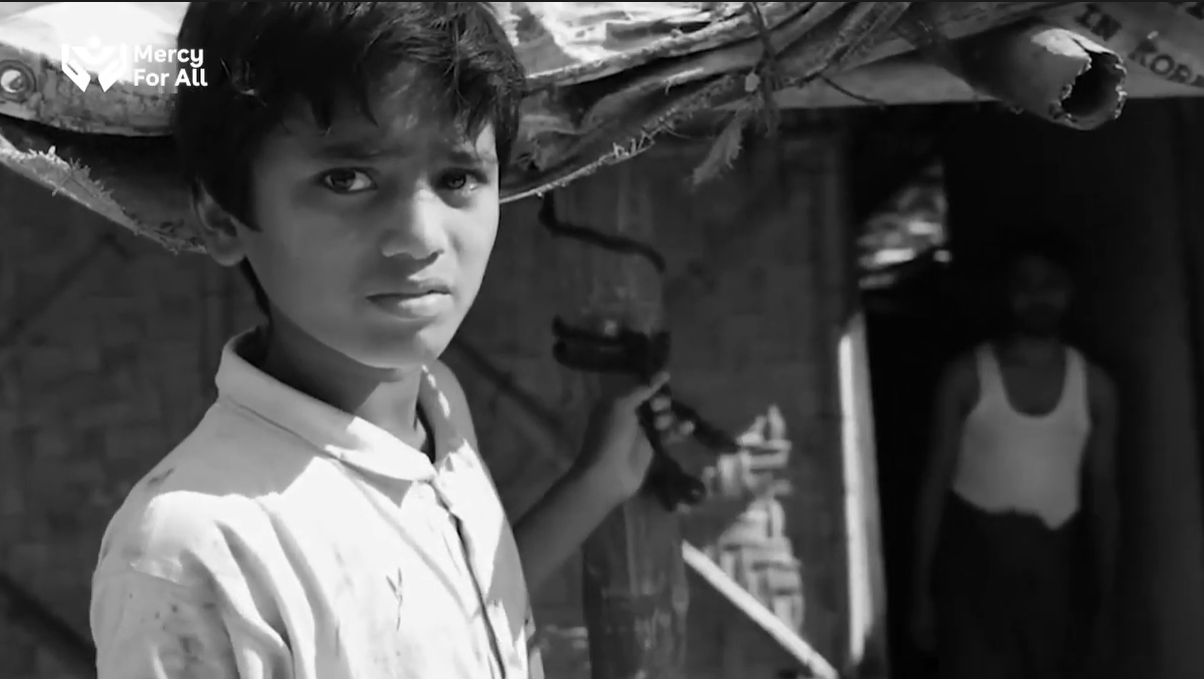
A child’s needs do not arrive in one fixed form. School terms begin. Seasons change. Health and household needs emerge. What is useful at one point in the year may be different several months later.
The General Orphan Fund gives MWL the flexibility to respond across that changing reality. In 2025, orphan-focused programs combined direct financial assistance with school support, winter assistance, clothing, food, health services, case management and opportunities for children to participate in community life.
119,000 beneficiaries reached.
$3.8 million in multipurpose cash assistance
8,678 school bags, 6,943 winter kits and 6,105 clothing items.
Beyond numbers, the real value is in keeping care relevant enough to remain useful as childhood changes.
Support care that can respond as needs change.
Looking for sustained support connected to one child? → Explore Sponsor a Child
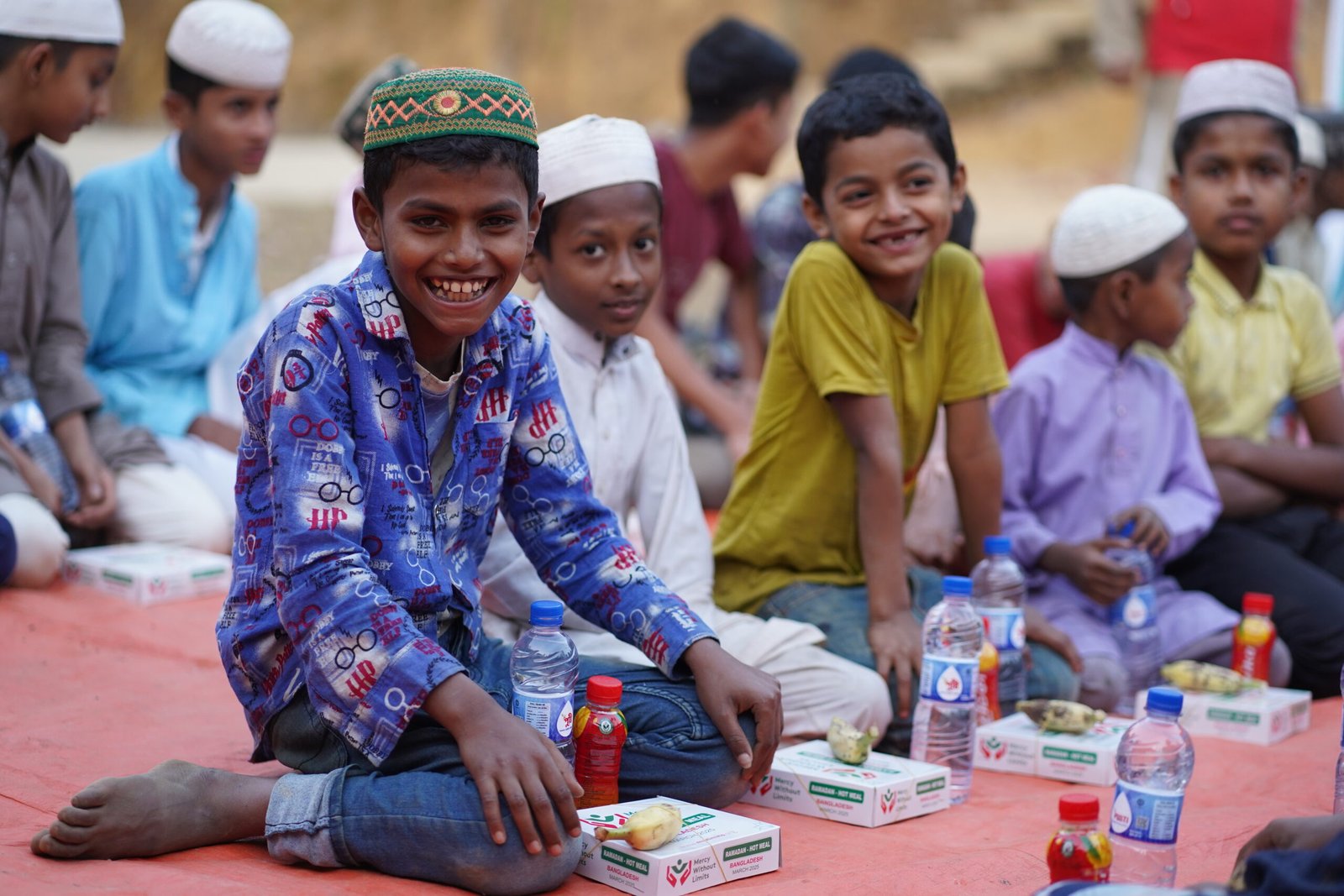
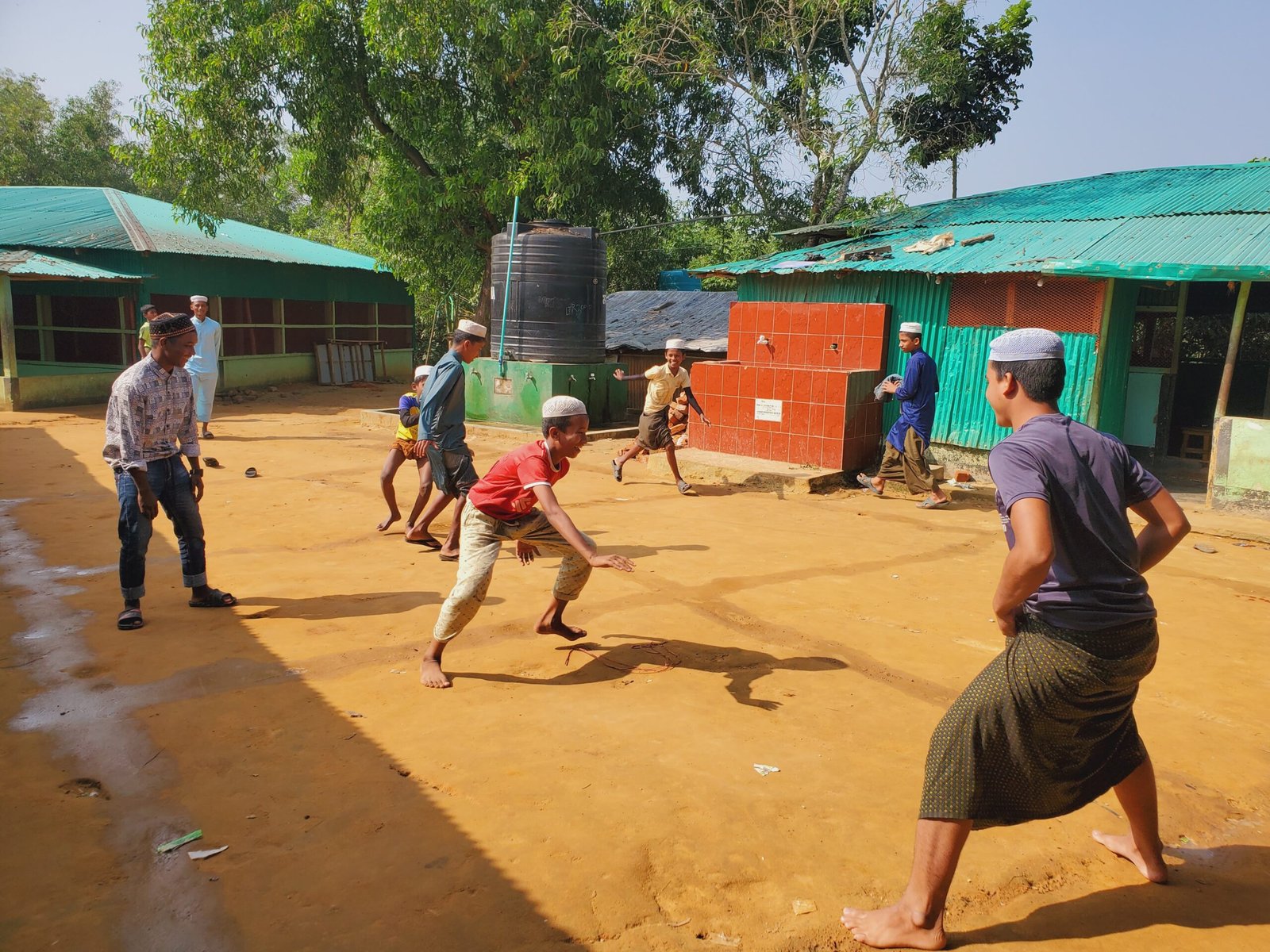

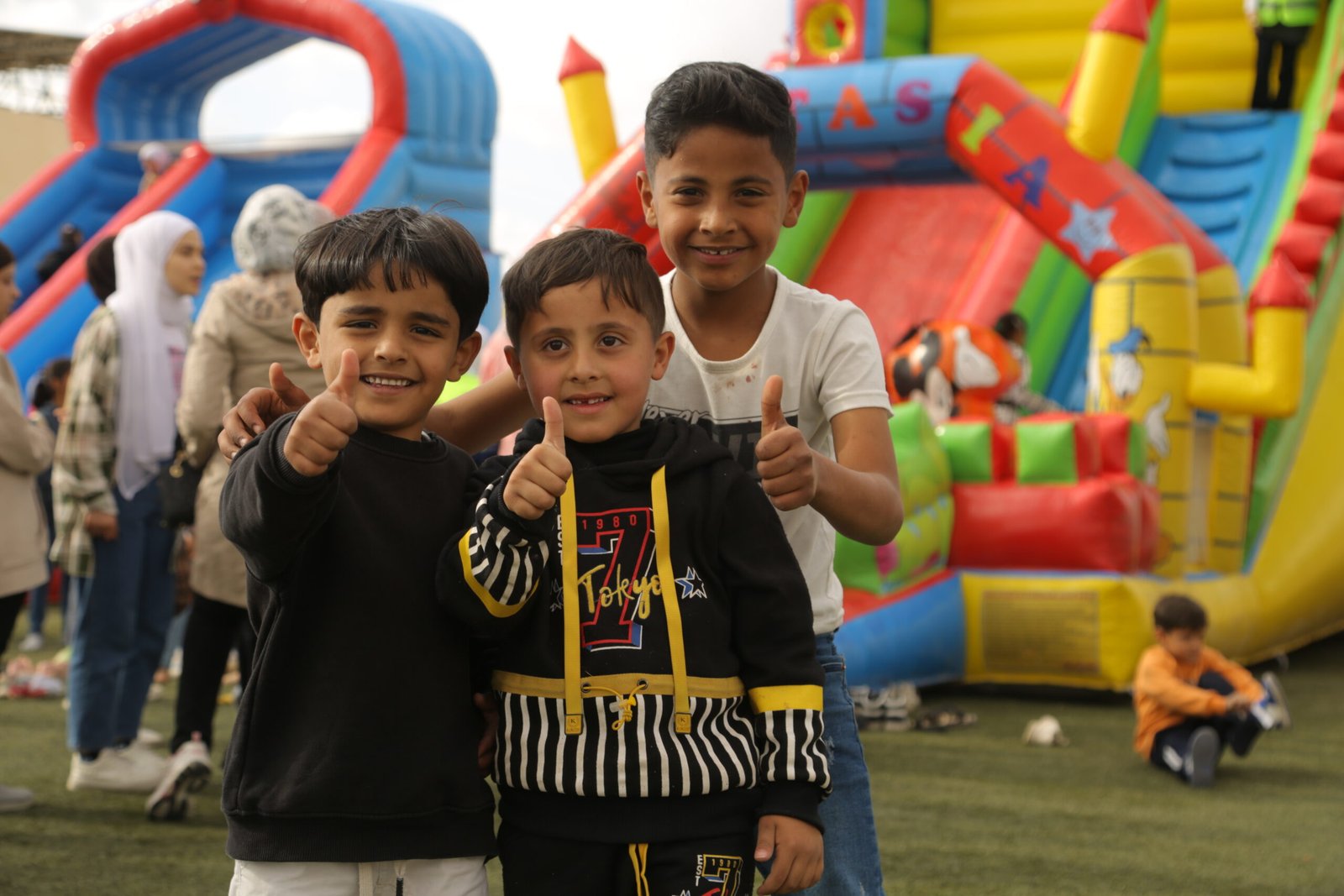
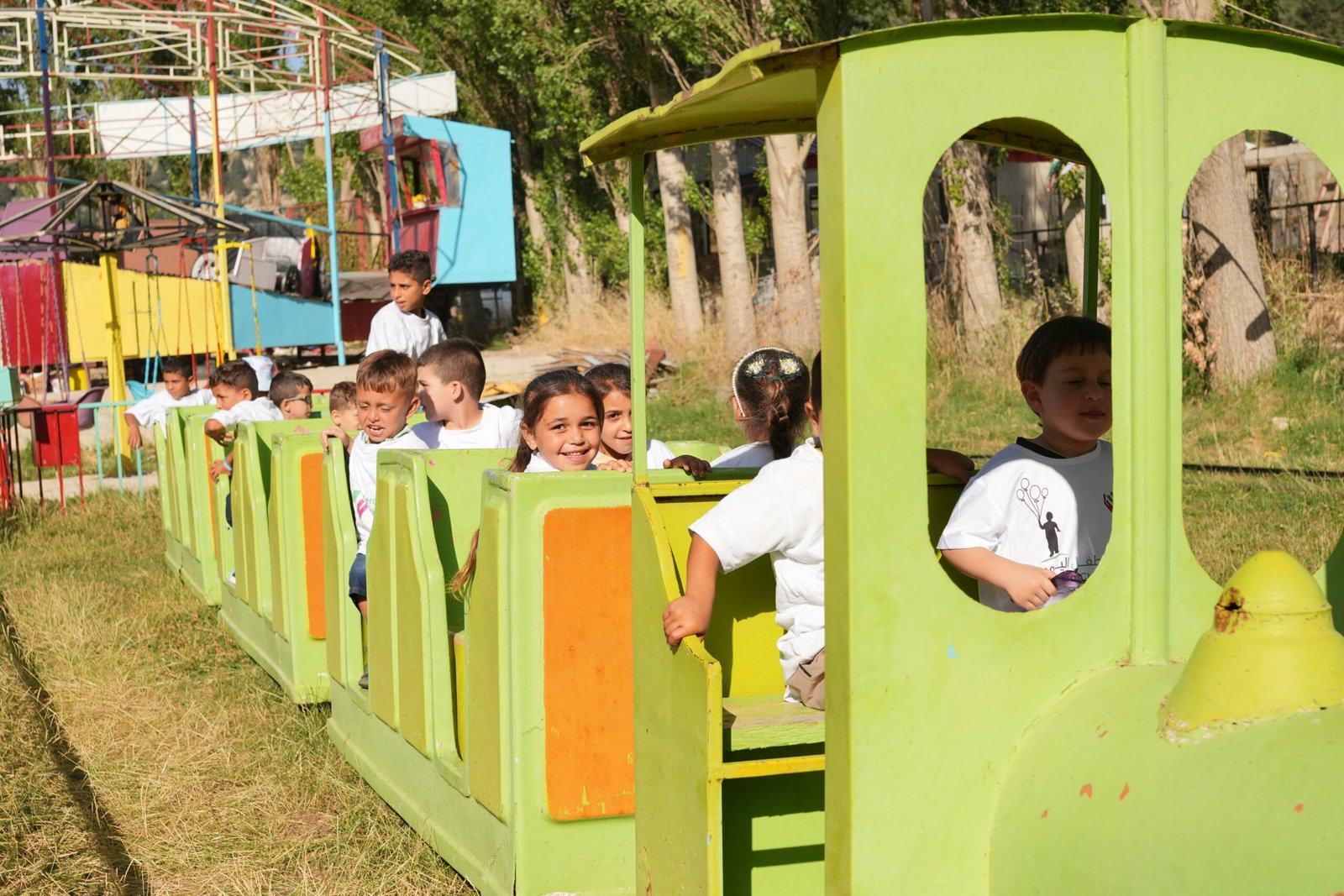
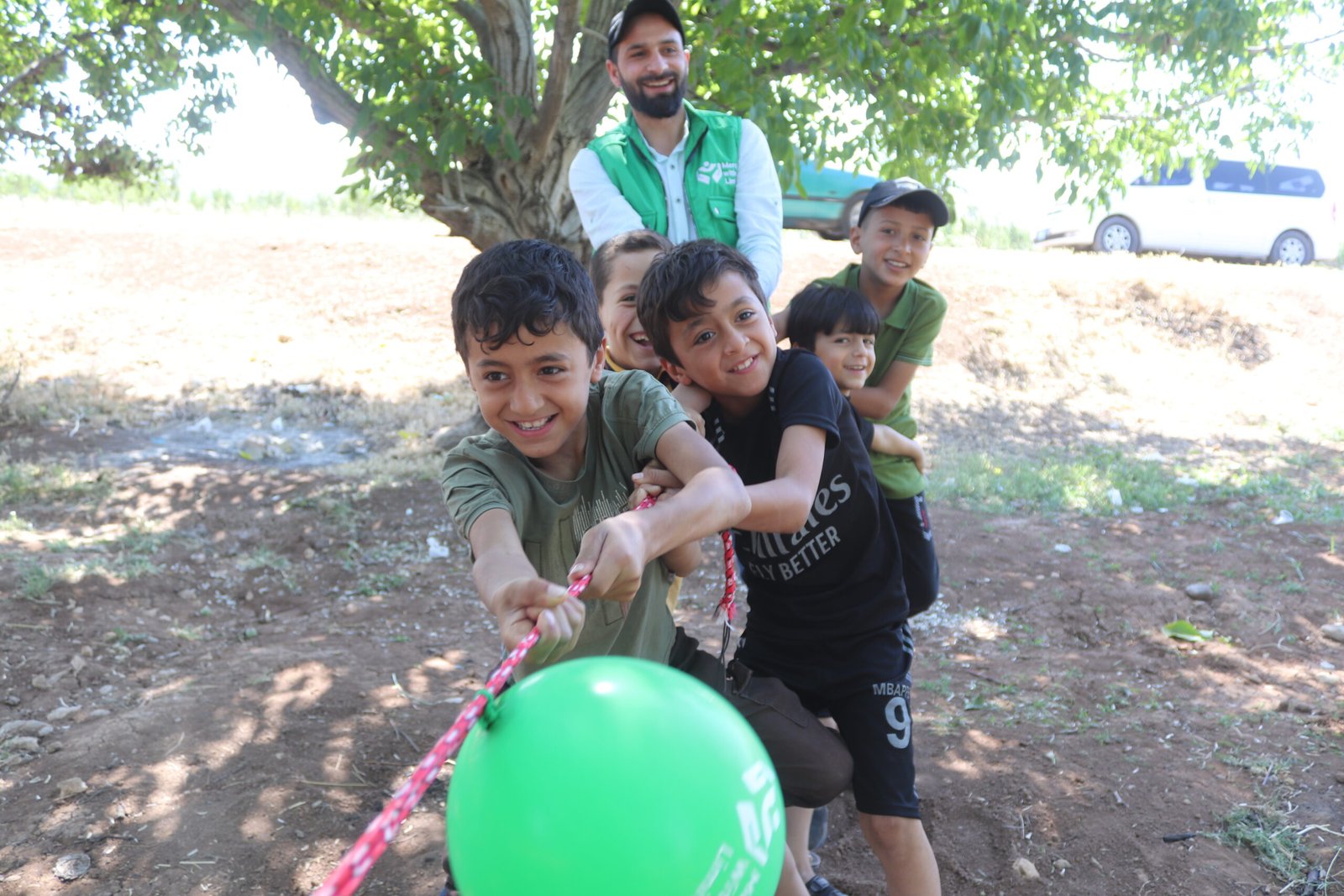
The General Orphan Fund supports MWL’s wider orphan-care work rather than one individual child. It gives the program flexibility to respond across different needs affecting children and their households throughout the year.
Depending on the context, support may include multipurpose cash assistance, education-related items, winter kits, clothing, food, hygiene support, health services, case management, and activities that help children remain connected to community life.
Sponsor a Child is built around sustained support connected to an individual child. The General Orphan Fund supports the broader orphan program, allowing MWL to respond across changing needs, locations, and forms of assistance.
No. Contributions to the General Orphan Fund are pooled across the wider program. This allows support to reach children and households according to the needs identified through MWL’s orphan-support work.
Because a child’s needs do not remain the same throughout the year. School, winter, health, household circumstances, and other pressures can change. Flexible funding allows the form of support to change with them.
Assistance is shaped by program priorities, local conditions, household circumstances, and the needs identified within each intervention. The aim is to provide support that is relevant to the situation rather than applying one fixed response everywhere.
Cash assistance can give households greater ability to address the needs that matter most at a particular time. It can complement other forms of support while preserving greater choice in how essential household needs are managed.
No. MWL’s orphan programming includes several forms of support, from school and winter assistance to clothing, food, health services, case management, and community activities. The program is designed around the wider conditions that affect a child’s daily life.
Yes. Seasonal pressures can change what a household requires. Winter kits and clothing, for example, formed part of MWL’s orphan-support work in 2025.
No. While the fund can help respond when urgent needs arise, the wider program also supports the ongoing realities of childhood, including education, household stability, seasonal needs, health, and social participation.
That is one of the reasons the General Orphan Fund is designed to remain flexible. Rather than tying every contribution to one fixed item, the program can respond across different eligible needs as circumstances evolve.
MWL records program reach and assistance across its orphan-sector activities and consolidates results through program reporting. This includes beneficiary reach and the different forms of assistance delivered across the year.
The program is designed to work across both. Immediate assistance may address household, seasonal, or material needs, while education support, case management, sponsorship, and community participation help maintain continuity around a child over time.
Because not every child needs the same thing at the same time. A broader fund gives MWL greater room to direct support toward the needs that are most relevant within its orphan programs, while keeping the focus on practical care around childhood.
This Zakat policy sets out how Mercy Without Limits seeks to fulfil the Shariah requirements of receiving and administering Zakat payments on behalf of Muslims.
This document is intended to be the Policy Document to provide a framework for future Zakat distribution.
INTRODUCTION TO ZAKAT
Zakat is the third of five core pillars of Islam and by Qur’anic ranking, is next after Prayer in importance. It has been interlinked with Prayer 28 times in the Qur’an. The distribution of Zakat and its use has been outlined in the Qur’an, demonstrated in the prophetic traditions and explained further by the Islamic scholars of the past and present.
The following verse outlines the recipients:
“Sadaqah (Zakat) is for the poor and for the needy and for those employed to collect [Zakaat] and for bringing hearts together [for Islam] and for freeing captives [or slaves] and for those in debt and for the cause of Allah and for the [stranded] traveller – an obligation [imposed] by Allah. And Allah is Knowing and Wise.” (Quran 9:60)
The above verse singles out eight types of people deemed eligible to receive Zakat. They have been identified as:
• Al-Fuqara’ (The poor)
• Al-Masakin (The needy)
• Al-Amilina Alayha (Administrators of Zakat)
• Al-Mu’allafah Qulubuhum (Reconciliation of Hearts)
• Fir-Riqab (those in Bondage)
• Al-Gharimin (Those in Debt)
• Fī-Sabilillah (In the Cause of Allah)
• Ibn al-Sabil (The Wayfarer)
USE OF ZAKAT PAYMENTS
Zakat payments made to Mercy Without Limits are allocated to a segregated general Zakat fund held by Mercy Without Limits. The Zakat funds are used to support Zakat-eligible projects in the Muslim-majority countries in which we operate.
A maximum of 12.5% of Zakat payments is allocated towards the administrative and support costs of Mercy Without Limits.
ADMINISTRATION OF ZAKAT PAYMENTS
Mercy Without Limits will administer payments of Zakat as follows:
• Zakat payments by givers who select the Zakat option on Mercy Without Limits. payment platforms are marked and identified.
• Zakat payments are paid into dedicated, interest free bank accounts, where the funds will be held until being sent to the relevant countries for implementation of Zakat-eligible projects.
• Zakat payments are utilized within one lunar year in accordance with Shariah rules.
• Where we can uplift the amount given through recognized schemes such (Matching fund) we will treat any uplift as an unrestricted donation which may be used to support our Zakat-compliant project work, without any deduction from the amount of any Zakat given to Mercy Without Limits.
COMPLIANCE
Mercy Without Limits uses the following procedures to ensure that we comply with this Zakat policy:
Qualitative screening criteria:
All applicants must fulfil the following criteria:
1. The applicant must be Muslim
2. The reason for applying to Mercy Without Limits must be Shariah compliant.
3. The beneficiary must be an individual in need and not just a service. Zakat cannot be used to fund services to people directly unless the beneficiary consents to using their Zakat payment to fund a service.
4. The applicant cannot be an immediate family member of any Zakat payer through Mercy Without Limits.
5. Mercy Without Limits trains and supports its staff on the practical application of the principles of Zakat to ensure compliance with all the Shariah requirements.
6. Specially trained staff at Mercy Without Limits work on project delivery and its effect on recipient communities in-country.
7. Our policies and procedures will be subject to an independent annual review by board to ensure that the Zakat fund is operated in accordance with the principles of Shariah.
REPORTING
Transparency in respect of our compliance with Zakat principles is of foremost importance to Mercy Without Limits. Our reporting process in relation to Zakat will focus on several key areas:
1. We will demonstrate how our program activities have been selected and remain in line with beneficiary and activity guidelines for Zakat compliance.
2. We will account for and report on compliance with our policy to restrict administrative costs to a maximum of 12.5% of any Zakat given through our annual reporting process.
3. We will provide further comprehensive evaluation including the provision of visual reporting to the extent possible.